

 简体中文
简体中文 にほんご
にほんご Deutsch
News Release
Flat wiping contact points are important design features of many battery connectors, helping to achieve better power transmission and extend connector life.
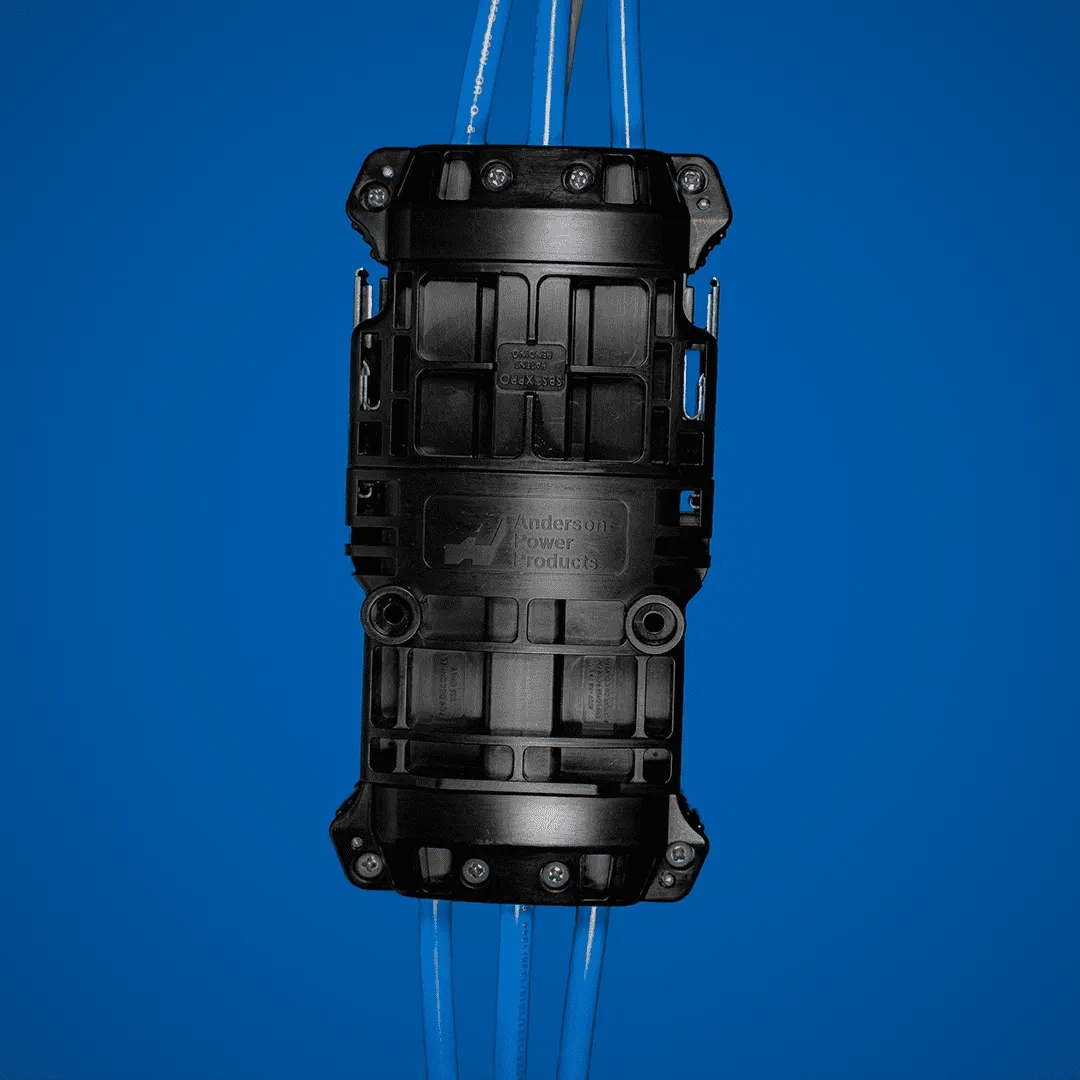
This design was invented by Anderson Power Company in 1954 and has the characteristics of self-cleaning and self locking, bringing multiple key advantages to device battery connectors. Overall, wiping the contact points of the tablet can:
Realize more efficient power transmission
Support higher power transmission
Prevent dust accumulation on the contact area
Reduce the risk of arc damage and contact point corrosion
Key types of contact points for battery connectors
Before further exploring its advantages, it is necessary to understand the different types and characteristics of battery connectors. For devices that require high-power connections, the two most common types of connectors are flat wipe and pin jack connectors.
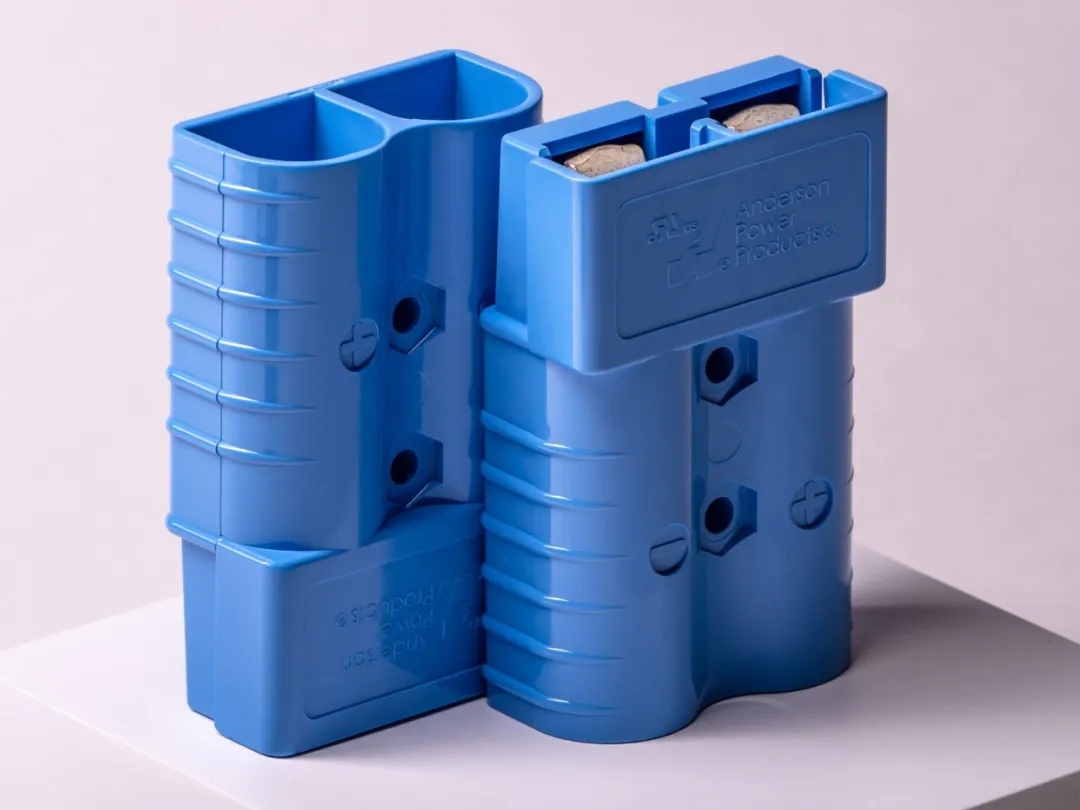
The flat wiping contact point is designed without gender (without clear male and female ends), and can be installed and interconnected from either end. These types of contact points are usually made of silver plated pure copper, which provides excellent conductivity, while silver plating can prevent copper oxidation.
Pin socket contact points have clear male (pin) and female (socket) ends, and their design usually follows German standards such as DIN 43589-1 and EN 1175-1. This type requires less force during insertion and removal, and due to multi-point contact, the connection is more stable in high vibration environments, which is particularly beneficial for preventing signal transmission interruptions.
It is worth noting that not all connectors belong to a single type. For example, Anderson Power's SBSXPRO sealed connector features a flat wipe design for its three power contact points, while the eight auxiliary signal contact points adopt a pin jack design.
The advantages of wiping contact points on a flat panel for battery systems
1. Improve the efficiency of power transmission
The flat contact design has a large and smooth mating surface, with low resistance during connection, allowing for higher power and current transmission while reducing energy loss in the form of heat. This helps to improve overall energy efficiency and has positive implications for enterprises that are concerned about energy consumption.
Its efficiency also depends on the manufacturing process. High quality manufacturers usually use high-purity copper materials, thick silver coatings, and professional electroplating techniques to ensure that the coating adheres firmly. Through rigorous lifespan testing according to standards such as UL 1977, the long-term durability and performance of the connector are further ensured.
2. Spring structure supports higher power transmission
The spring for wiping the contact point of the flat plate is usually made of stainless steel, independently located behind the contact surface, and continuously applies pressure to maintain stable connection and prevent accidental disconnection due to vibration.
Due to the separation of the spring from the conductive part, the contact point can be designed thicker to carry larger currents, while the spring can still provide sufficient holding force. In contrast, pin and socket type springs are usually integrated with sockets, responsible for both contact pressure and conductivity, limiting the thickness and power carrying capacity of the contact points.
3. Self cleaning function for dust prevention
Flat wiping contact points have self-cleaning ability, which can effectively reduce dust accumulation and extend service life. In outdoor or dusty industrial environments, the surface of the contact point is prone to contamination, and dust may corrode the silver coating, expose the underlying copper, and cause a decrease in conductivity or trigger an arc.
Whenever the connector is inserted, the relative sliding between the contact surfaces can scrape off dirt and oxide layers, achieving self-cleaning. In addition, its smooth surface design is not prone to accumulating debris, reducing maintenance requirements.
4. Reduce arc damage and contact point corrosion
Wiping the contact points with a flat panel can reduce the risk of pitting corrosion and extend the lifespan of the connector. Pitting corrosion is usually caused by dirty contact surfaces or electric arcs generated during live insertion and removal. After damaging the silver coating, it may expose the copper base and affect performance.
The flat wiping design has a raised "sacrificial end" at the front end of the contact point, which can limit the arc to a small range and avoid affecting the main conductive contact area at the rear. In addition, its flat surface and over wiping mechanism help maintain a smooth contact surface and reduce scratches. In contrast, the pin socket type is prone to wear and tear due to repeated insertion and removal, and may form deep scratches over time.
Therefore, many flat wipe connectors can withstand up to 10000 insertion and extraction cycles, while the lifespan of some high-power pin socket connectors is typically around 5000 cycles.
Future Prospects
Flat wiping contact points will continue to be the industry standard for high-power, efficient, and durable battery connectors. Its self-cleaning characteristics, resistance to arc damage, and design that supports high current transmission make it perform well in harsh industrial environments, helping to improve system reliability and service life.